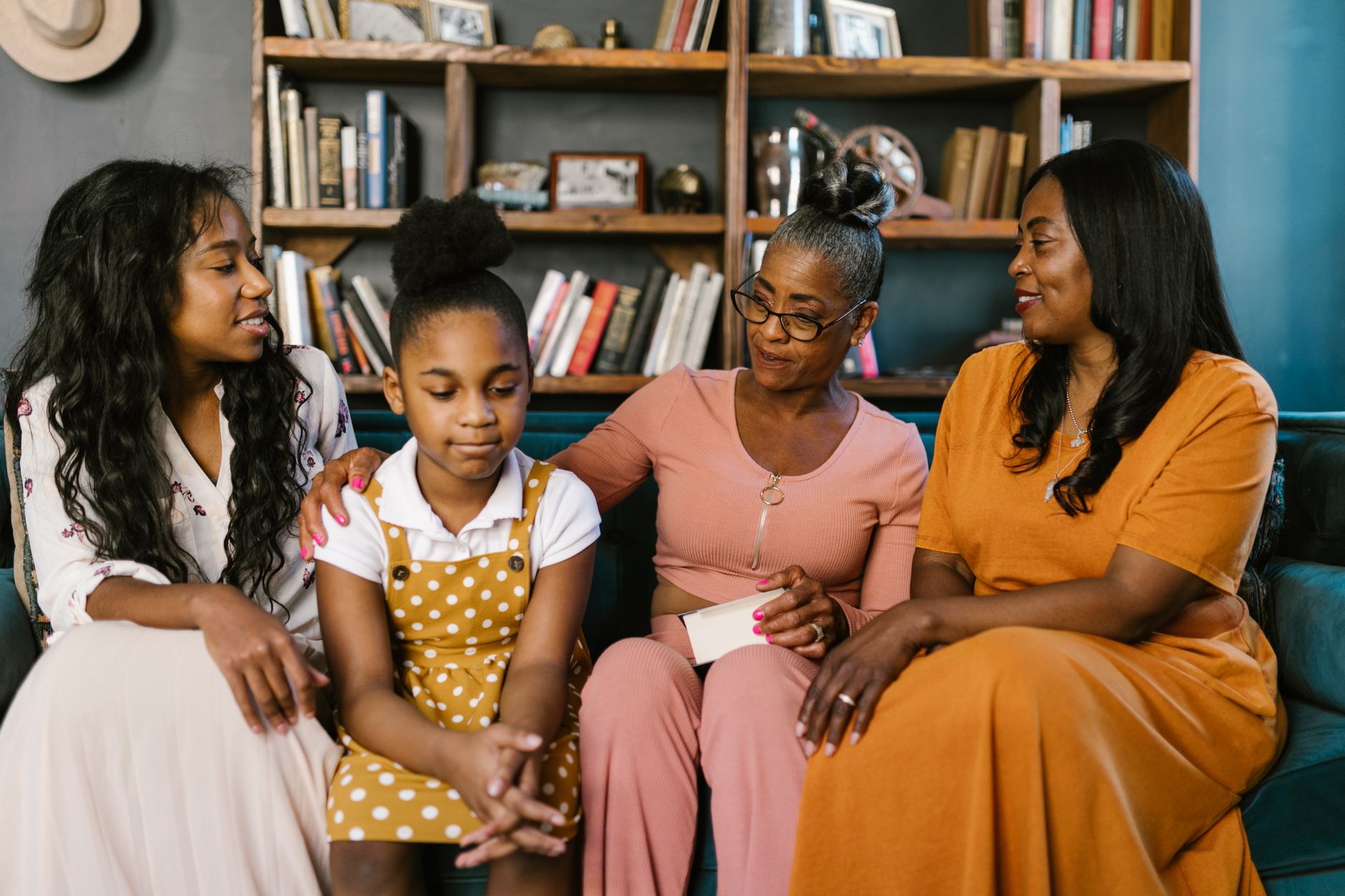
Family Meetings: How to Run Them and Why They Work
Family meetings sound like something out of a 1970s parenting book. The reality is that families who hold regular, structured meetings report more cooperation, fewer recurring conflicts, and children who feel more ownership over family life. The research on this is thinner than some parenting topics, but the practical evidence from families who use them consistently is strong enough to be worth examining.
What a Family Meeting Is
A family meeting is a regular, scheduled gathering where the family discusses what’s working, what isn’t, and what’s coming up. It’s not a discipline session disguised as a meeting. It’s not a lecture with Q&A. It’s a structured conversation in which everyone participates.
The format varies, but most effective versions include:
- Appreciations or positives from the week
- Problems or complaints anyone wants to raise
- Logistics for the coming week
- Something fun — a game, a vote on something, a family decision
The structure matters. Without it, meetings become either discipline sessions that children learn to dread, or they drift and stop happening.
Why They Work
Children who participate in family decisions comply with them more. This is one of the most robust findings in parenting research across cultures and methodologies. People who have a say in a decision are more likely to follow through on it. A child who helped set the screen time limit will enforce it differently than a child to whom it was handed down.
Scheduled problem-solving prevents escalation. When children know that complaints and problems have a formal venue, they have somewhere to bring them. The alternative — bringing problems up when they arise, in charged moments — tends to produce worse outcomes.
Appreciations change the tone of family life. Starting with what went well, and requiring each person to say something specific and genuine about each family member, creates a different baseline. It’s a small practice with an outsized effect on how family members perceive each other over time.
Children develop important skills. Participating in structured discussions teaches agenda-setting, turn-taking, compromise, and the idea that problems can be named and addressed without someone getting in trouble. These are transferable skills that show up outside the home.
How to Start
Keep the first meeting short — twenty minutes maximum. Tell the family what the format will be in advance. Run it yourself the first few times; as children get older, rotate the role of meeting facilitator.
Start with appreciations every time without exception. The first few will feel awkward. After a few weeks, they won’t. The awkwardness is not a sign that it’s not working — it’s a sign that it’s new.
Take notes. Having a written record of decisions made in the meeting gives those decisions weight. “But we agreed in the family meeting” is more persuasive than “I told you.”
Be willing to actually change something based on what comes up. If meetings consistently produce suggestions that go nowhere, children quickly learn that participation is theater and disengage. One genuine change made in response to a child’s suggestion does more for buy-in than any number of meetings.
Common Problems
Meetings that turn into discipline sessions stop being attended. If a child is bringing a complaint and the meeting turns into a discussion of their behavior, the meeting has failed its purpose. Keep discipline separate.
Meetings that don’t happen consistently lose their effect. The rhythm matters. Twice a month is better than once a month when it happens; a weekly meeting that gets skipped half the time is better than one that disappears for months. Calendar it and protect it.
Skipping the fun part. The end of the meeting should involve something enjoyable — a game, a dessert, a family vote on something low-stakes. This gives children something to look forward to and reframes the meeting as something other than family management.
The Awkward First Few Weeks Were Real
Our first several family meetings were exactly as stilted as the research predicts — appreciations delivered in a flat, obviously-forced tone, genuine relief when the twenty minutes ended. I nearly scrapped the whole idea after the third meeting produced nothing but eye-rolling. What kept us going was a note-taking habit that turned out to matter more than I expected: writing down even the small decisions gave them a weight that verbal agreements never had. “It’s in the family meeting notes” settled more disputes than any amount of parental authority.
The genuine-change requirement is the one we nearly failed on early. A kid suggested a change to the Saturday chore rotation in one of the first meetings, and we almost let it slide because it seemed minor. We didn’t, and implementing it — a small, low-cost change — visibly shifted how seriously the meetings were taken afterward. The suggestions got more thoughtful once it was clear they actually went somewhere.