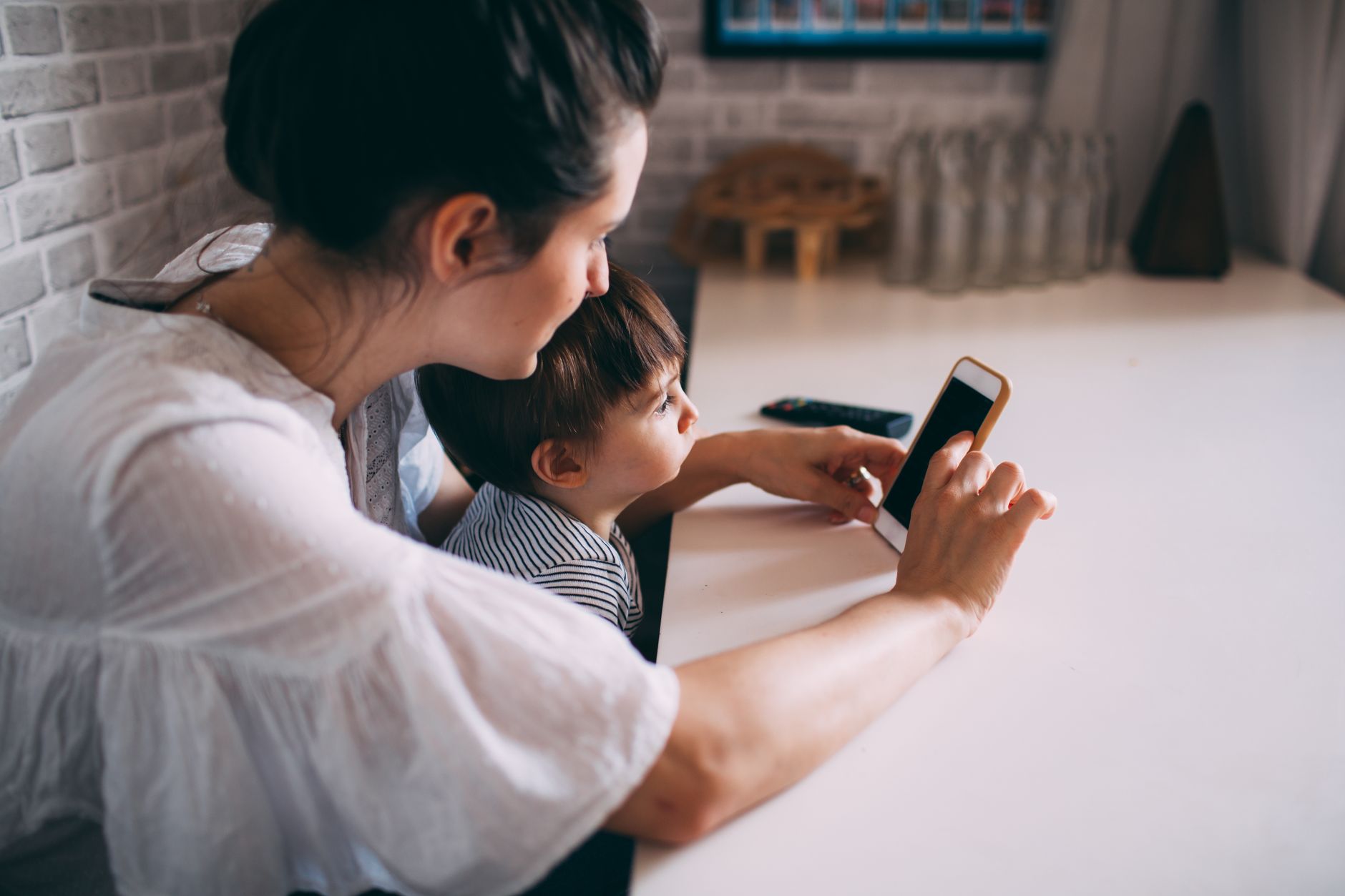
Screen Time: Practical Rules That Actually Hold Up
The research on children and screens is genuinely complicated, and most public conversation about it is not. “Two hours a day” emerged from the American Academy of Pediatrics as a guideline for school-age children, was repeated often enough that it became a de facto rule, and was eventually revised by the AAP itself because the quality and type of screen time matters more than a simple time limit.
Understanding what the evidence actually says allows parents to make decisions that fit their family instead of feeling guilty about violating an arbitrary number.
What the Research Actually Shows
Not all screen time is equivalent. A child video calling their grandparent is having a social interaction. A child working through a math app is learning. A child watching algorithmically served short-form video for two hours is doing something neurologically different from either. Treating these identically because they involve a screen is a category error.
Displacement matters more than time. The primary concern with excessive screen time in children isn’t what screens do to the brain — that evidence is weaker than headlines imply. It’s what screen time displaces: sleep, physical activity, face-to-face interaction, and unstructured play. A child who gets adequate sleep, regular physical activity, and genuine social connection, and also uses screens several hours a day, looks different in the research from a child where screens are displacing those things.
Social media and adolescents. The evidence here is stronger and more concerning, particularly for girls. Heavy social media use in adolescents — especially passive consumption — is associated with higher rates of depression and anxiety, and the timing aligns with the introduction of algorithmic, infinite-scroll platforms. This is the area where parental concern is most research-supported.
Young children and passive TV. Background TV in households with young children is associated with less parent-child verbal interaction and reduced language development, even when the child isn’t watching. This one is worth taking seriously.
Practical Frameworks That Work
Content and context rather than time. Ask: what are they watching or doing, and is it displacing something important? An hour of educational content after homework with a parent present is different from two hours of autoplay before bed.
No screens before sleep. Blue light, stimulation, and the addictive dynamics of recommendation algorithms are all independently bad for sleep. Screen-free time before bed — one hour minimum — is one of the highest-leverage interventions in the screen time domain.
Screens at the table. Most families who try eliminating phones at the table and maintain it report improved conversation quality. The benefit seems to be the undivided attention even more than the reduced screen time.
Designated off times rather than time limits. Many families find “screens off by 8pm” or “no screens until homework and outdoor time are done” more sustainable than tracking cumulative minutes. Structure rather than counting.
Family device charging outside bedrooms. This solves the nighttime phone problem — kids checking devices at 2am — without requiring the ongoing enforcement of a bedtime rule.
Having the Conversation With Kids
Older children and teenagers respond better to rules they understand the reasoning for than rules that are just handed down. “Screens before bed affect your sleep and I can tell in your mood the next morning” is a different conversation than “because I said so.” Even if they argue, they’ve heard the reasoning and will have access to it later.
Negotiation and modification as children get older — expanding reasonable screen time for teenagers who demonstrate self-regulation — teaches them to manage it themselves, which is ultimately the goal.
The Parent’s Own Screen Use
Children watch what parents do, not what they say. A parent on their phone at dinner while telling a child screens aren’t allowed at dinner is teaching something, just not what they intend. The research on parental phone use and child interaction quality is consistent: phone-present parents have less responsive, less rich interactions with young children. This is harder to hear than advice about the child’s behavior, but it’s probably more important.